
This web site is all about practical tips, strategies and hacks for teardrop trailer camping. There are loads of suggestions to be found among these blog posts and this one in particular… about shelf-stable nutritious food that requires no refrigeration… you’re either going to think is brilliant or that I’ve gone off my rocker and spending too much time in the tiny trailer.
Before I get to the solution, or even to outlining the problem for that matter, it’s useful context to describe what my teardrop trailer outings, and my eating preferences, look like because that will affect how relevant this food strategy is for you.
Destination vs Exploration Road Trips
I tend to do either of two types of teardrop outings: short “destination” trips, typically 3-5 nights at one or two camp locations usually chosen in advance; or longer “exploration” trips which are multi-week affairs, usually with a general broad geographic intention but not much in the way of fixed itinerary, with multiple camp locations determined a day or two ahead if at all, and possibility for boondocking if I come across a good spot.
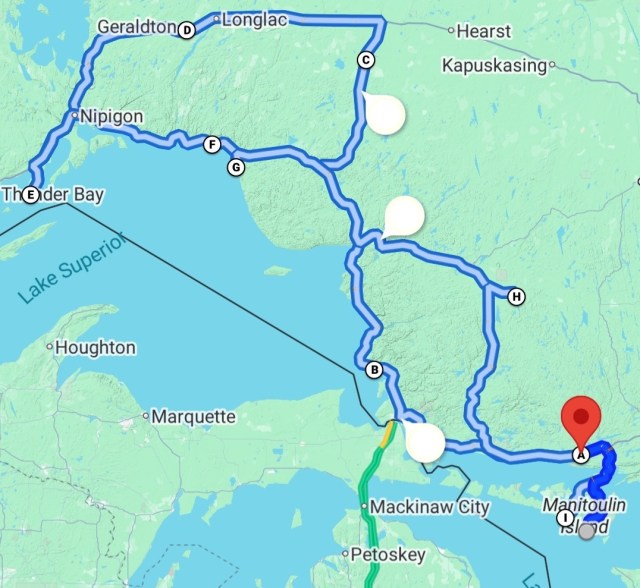
Both trip styles have their pleasures, some shared and some unique, which goes likewise for trip preparation and packing. As a general rule on the longer road trips, I aim to keep on hand at least a full week’s worth of food, potable water and camp fuel (plus an extra margin of safety when it comes to coffee and beer/wine) to keep me going until I need to replenish.
Getting Away From It All
Part of my reason for stocking up 7+ days of provisions is just the nice feeling of self-sufficiency. But it’s also a practical strategy which offers flexibility in what I do and where I go—or don’t go, like when you find yourself somewhere awesome and want to stay longer, or if you run into unforeseen circumstances (e.g., illness, road closures, weather, etc.) which make it advisable to stay in place longer.
But the other thing about being self-sufficient on teardrop trailer road trips is that part of “getting away”, for me anyhow, is actually feeling like I am away from normal daily life, ideally minimizing how much I have to deal with people and civilization—and walking around a store, particularly if it’s part of one of the major grocery chains, has an uncanny way of quickly shooting me back to the feel of everyday life. Ditto for visiting a Canadian Tire or other such retailer.
Those long meandering, open-ended adventures are my true joy with teardropping and sometimes find me camped out at remote provincial parks (e.g., Wakami Lake) and driving roads which pass through only small towns and settlements for hundreds and hundreds of kilometres. Having batteries and solar power generation on-board the teardrop trailer sure helps with refrigeration and reducing camp fuel consumption. But food, well, every day it is consumed and eventually must be restocked. So how to max out the time between those restocking store visits but still eat reasonably healthy?
Good Food That Lasts a Long, Long Time
I am a vegetarian teardrop camper (ovo-lacto vegetarian, which means I do consume eggs and dairy) so it’s all the more important to ensure I’m getting half-decent nutrition on longer trips. When it comes to replenishing food supplies this can be an added challenge when there’s only small northern towns along the way.
So… I had this “light bulb” idea last spring… what about baby food?!? Seriously now, stay with me on this one, I actually trialed it during a short trip in the summer and then packed some as supplementary food stock for the big autumn road trip which took up most of September.
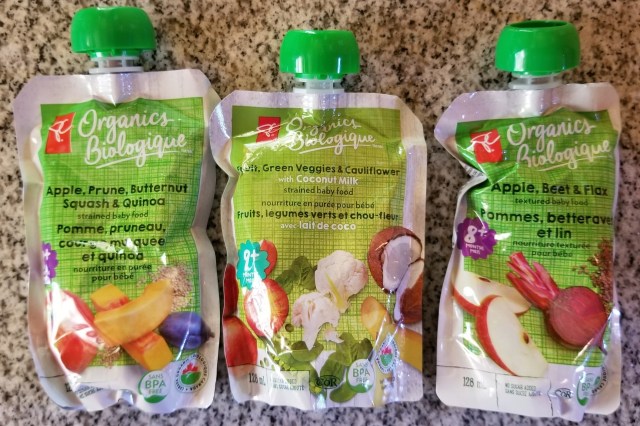
Odd or even unappealing as it might sound, baby food has a lot of plusses for long camper road trips. First and foremost, it requires no refrigeration, is shelf-stable, and doesn’t take up much space relative to the food value (particularly in pouch format rather than jars). It is healthy and nutritious, without additives, and can include and blend of fruits and vegetables, and often grains as well. It is economical—at present I can purchase four pouches of 100% organic baby food for just (CAD) $5. And there is a wide variety both with and without meat, so a great option for vegetarians when the food pickings on the road are basic.
Don’t Eat Like a Baby
The down-sides are mainly aesthetic: baby food is generally a mushy puree consistency, and the taste is quite bland. I don’t know that I could stomach too much on its own but mixing it in with other things can create a very different food experience.

My go-to combo when using baby foods on the savoury end of the spectrum was to mix with brown rice (which is chewy and nicely masks the puree feel) or quinoa (which has all amino acids to form protein so one of the most nutritious grains) and then add some kind of seasoning like hot sauce or some other spicy condiment. HP Sauce is also great way to shift the taste spectrum, though it’s an acquired taste. Apparently, Brits use it much like North Americans use ketchup.
Baby foods on the sweeter end of the spectrum, like those that are predominantly fruit-based, were quite palatable when added to hot cereal like oatmeal or kasha, stirred into yogurt, or mixed up with some nuts and seeds.
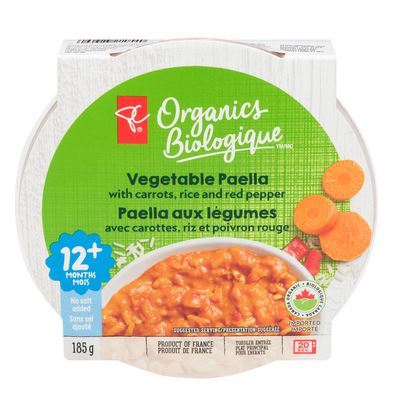
In addition to the “mush” foods for young babies, there are also foods for 9+ months which introduce texture to the experience, and some of the offerings for 12+ months look almost recognizable. They too are also pretty good value, shelf-stable, and probably more healthy than adult pre-prepared foods. (External link with detail on the 4 baby food types/stages click here.)
Part of a Road Trip Food Strategy
I’m not suggesting that I would (or could!) subsist on baby foods. I would also make a point to either add standalone protein to the meal or eat some on the side. Protein shakes are another option to consider… shelf-stable, just add water. I’m not completely sold on the notion that the powdered “superfoods” in most of these shake mixes have the same benefits of their fresh counterparts but at the very least you’re typically getting around 20g of protein per shake, and most of them have no artificial additives.
The portion sizes, caloric values and proportions of nutrients in baby food are designed for very small bodies. But they can be a way to supplement what we eat while teardrop camping with some healthy and more varied foodstuffs than may likely be found on long and/or remote teardrop trailer outings. Next time you’re at the supermarket, venture over to the baby food aisle and check out the pickings… baby foods have come along way since those little jars with Gerber baby that many of us know from years ago.
So, that’s how I do things with my Teardrop Trailer but by no means the full story or the best way. What about you? Add your own methods, ideas and experiences using the comment box below for the benefit of all readers.
 Teardrop Trailer Travels
That is what I would call – Thinking outside the Teardrop.
Cheers
Al
LikeLike
Hey there Neil. This is an excellent, as usual, outlook on what to eat when on the road. As you may remember, I just purchased a “Diamond in the the Rough” tear drop this Fall and I am eagerly waiting for Spring. I have regularly, in my backpacking days, carried the small baby food pouches of both fruit, vegetable and a mixture of each. I used them alone sometimes when stopping for a water break and needed a quick pick me up. Nothing makes you stand out at an Appalachian Trail shelter like consuming baby food. lol
As well, I mixed them with oatmeal for breakfast and quinoa for supper. They can be mixed to supplement a variety of foods. I usually carry hard white cheese, protein bars, nuts and seeds. Strange as it may sound, I have even pre scrambled a bunch of eggs and froze them. They heat up quite nicely. My idea of food on reasonably short trips is to provide energy, fill that hunger hole and not be too worried about gourmet. I also carry the individual size cans of salmon. Must be careful though as they are bear magnets.
I have already booked several days in early May in Mew Lake campground, Algonquin Park. Hike the trails during the day and sit by the fire in the evening. I am planning the trip outlined on your map for this year. Out along the lakes and then back a little further north through Hearst etc. How fortunate are we that that route is so available to us and Algonquin is a short drive away. Come on Spring…..Jim
LikeLike
Thanks, Jim, for your inputs and suggestions! Something I didn’t think to mention in the piece, but I will go back in and add, is protein shakes.
LikeLike