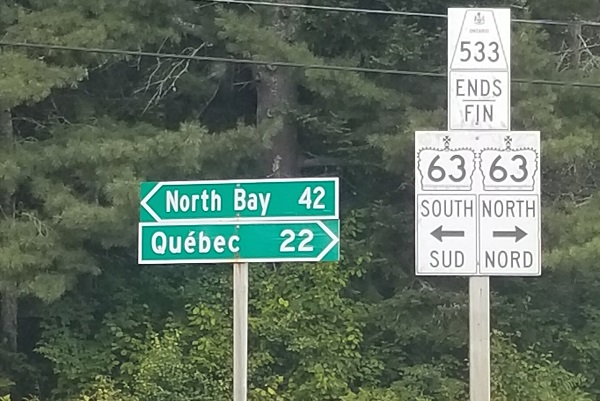
I was so close to Quebec during last year’s Big Trip in a Tiny Trailer, I thought I should try out teardropping in La Belle Province. Opémican park was awesome and the whole booking & camping experience went smoothly. If you might like to go teardrop camping in Quebec here’s some useful information to know.
This blog post is mainly details & logistics about camping at a Sépaq park, though toward the bottom some specifics on Sépaq’s Parc nationale d’Opémican, where I stayed, which is probably the closest and most accessible to much of central and southern Ontario.
The Société des établissements de plein air du Québec (literally: Quebec Outdoor Establishments Company), or Sépaq, is an agency of the Quebec Government that manages parks, related tourist establishments, and wildlife reserves. Broadly similar concept to Ontario Provincial Parks but also distinct in several respects especially conservation.
While the general look and feel of the experience is comparable to provincial parks and public campgrounds elsewhere in Canada, here are some differences to be aware of.
In Quebec the Sépaq parks are known as parcs nationaux (similar to how the provincial legislature is properly called the Assemblée nationale du Québec), which are under the jurisdiction of the province and unrelated to federal national parks (aka Parks Canada) located in Quebec.
Language
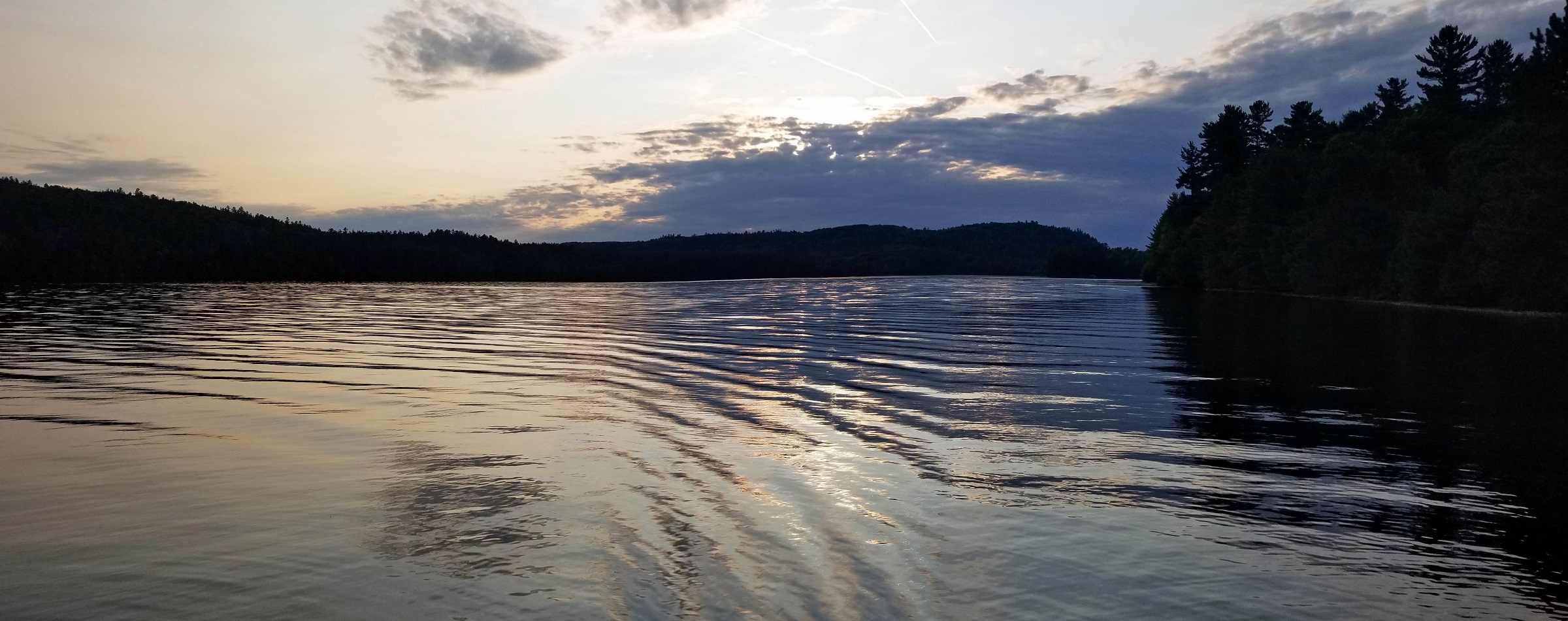
The language of operation is French, which hopefully is of no surprise since that is the official language of the province. All staff I spoke with at Opémican park, including those in the Visitor Centre, where you check-in, also spoke fluent English. I asked one of them if that’s the case at all Sépaq parks. She explained that the further you get from the borders the more likely there will be staff who function entirely in French, though went on the say there would probably be some staff member around who can speak enough English to assist.
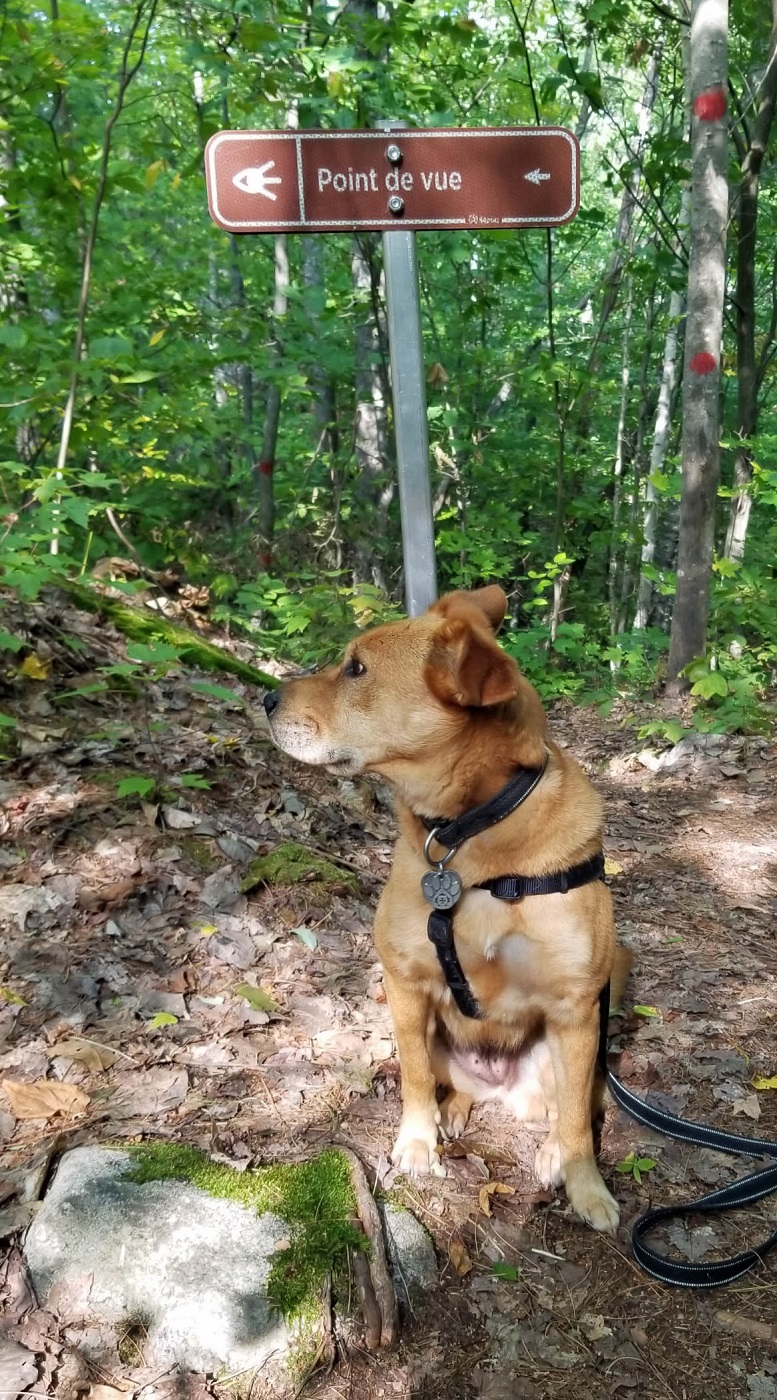
Park signage is almost entirely in French, though generally easy enough to figure out through context and the ubiquitous pictograms which most signs incorporate. The Visitor Guide (which includes maps, trails, points of interest, rules, activities, etc.) available in print or online has an English version.
French, of course, is also the language you will hear most park visitors speaking. When passing others along trails or roads, I feel it’s good manners to use the French Bonjour/Bonsoir in the same I might say Hi back home… don’t worry, nobody is likely to launch into a French conversation with you. Though I was surprised how much of my high school French came back to me–broken as it was, people generally appreciate the effort made.
As an Anglophone, I felt welcome and welcomed at all times and in all interactions during my visit. For my sensibilities, I feel it is polite to begin with “Parlez-vous Anglais?” (being sure intonation sounds like a question not a demand). It is such simple courtesy, and likely to be better received than just outright starting to speak English to someone whilst in a French culture, unless of course you have already heard them using English.
Separate Camping and Access Fees
Unlike Ontario Parks, but similar to Parks Canada, the camping fee is just that and does not include admission to park lands. Admission (“right of access” in Sépaq lingo) is an additional purchase, charged per-person. If you’ll be there more than a few days, it may be worthwhile to purchase a pass (“annual card”), either specific to the park or for the entire Sépaq network. All of this can be done online as part of the process to book a campsite stay.
Whether you purchase a pass or the daily admission option, your access covers all areas of the park. So, at Parc nationale d’Opémican for example, even though you’ll be camping and spending much of your time in the Pointe-Opémican sector, you can also park your vehicle and hike trails in the Rivière Kipawa sector (see below, don’t miss it!) for no additional cost.
Dog Restrictions
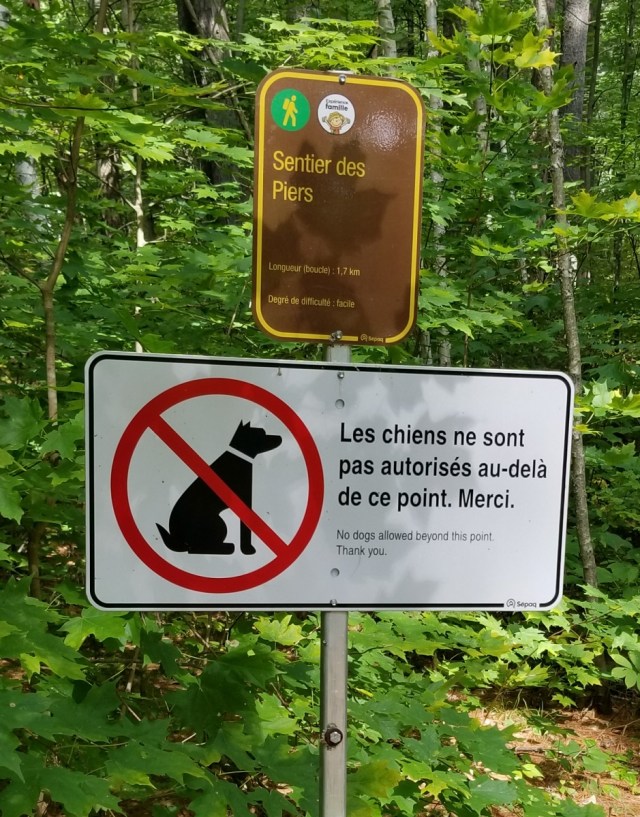
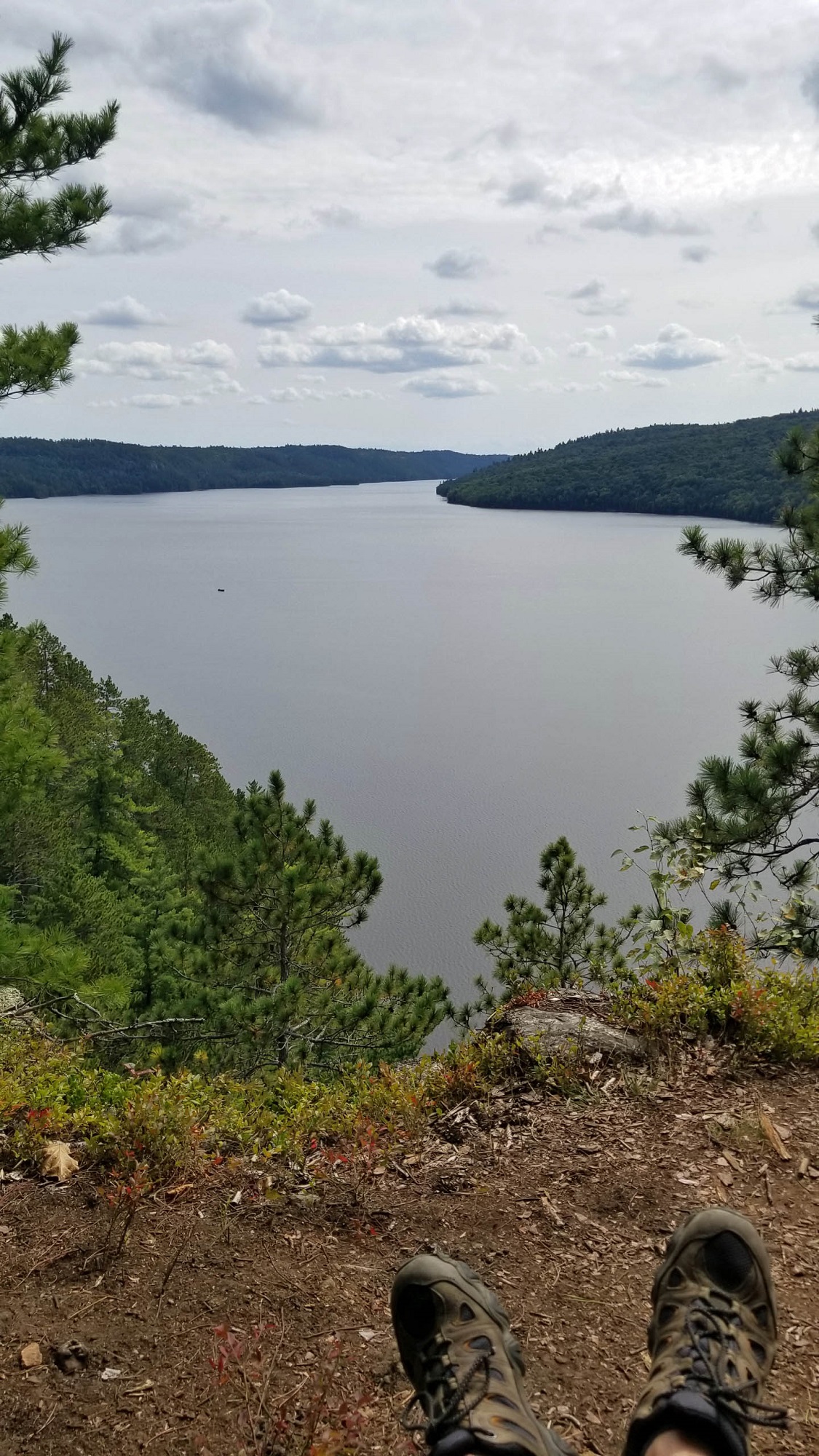
While I’ve been to some Ontario Provincial Parks which have designated pet-free campground areas, Sépaq parks also have restrictions on which trails (“sentiers“) dogs are permitted. I was curious about the rationale for this and learned it is in consideration of habitat protection and wildlife conservation. At Opémican, for instance, the Piers trail along the cliffs overlooking Lake Temiskaming does not allow dogs because there are Peregrine Falcons, which can become disoriented by barking dogs especially during nesting season.
I appreciated the degree of concern and forethought given to wildlife—we are after all visitors in their habitats—and did not find the dog restrictions significantly affected my experience. There were still lots of interesting and scenic trails I could hike with my pup, and even a dog beach.
While all public parks have leashing and poop-and-scoop rules, some folks seem to have loose interpretations of them. It is clear that Sépaq parks (and the people who visit them) take it seriously and you had better keep your dog on a leash and pick-up after them. There are even bag dispensers and poop receptacles along the main trails. Neither on trails nor in developed park areas did I see even a single dog turd left on the ground during my 4 day visit.
Rules & Enforcement
Speaking of rules, during my visit to Opémican my sense was that there was more rule-following, and yet less visible rule enforcement (e.g., Wardens, etc), compared to my overall experience at Ontario Provincial Parks. This perception might be subjective… I’d need to visit more Sépaq parks to see if it’s a trend… or perhaps there is a higher level of respect exercised for park lands and for fellow campers/visitors.
Online Booking
Most of the Sépaq website, including reservations and park info, is available in English… on any page click the main menu (three lines) button to find the “English” option. Sépaq uses a different reservations platform than that used by Parks Canada and Ontario Parks but the booking process is easy to navigate and flows intuitively.
I don’t know if it is the case for all Sépaq parks, but for Opémican the system provides lots of detail and several photos for each camp site to help you be clear on what you are booking. If you will be camping with a dog be sure to enter that along with your dates so that the search will only show you campground areas which allow dogs.
In this blog post, both French (Temiscaming) and English (Temiskaming) spellings for the lake name are used.
Location Orientation: Opémican
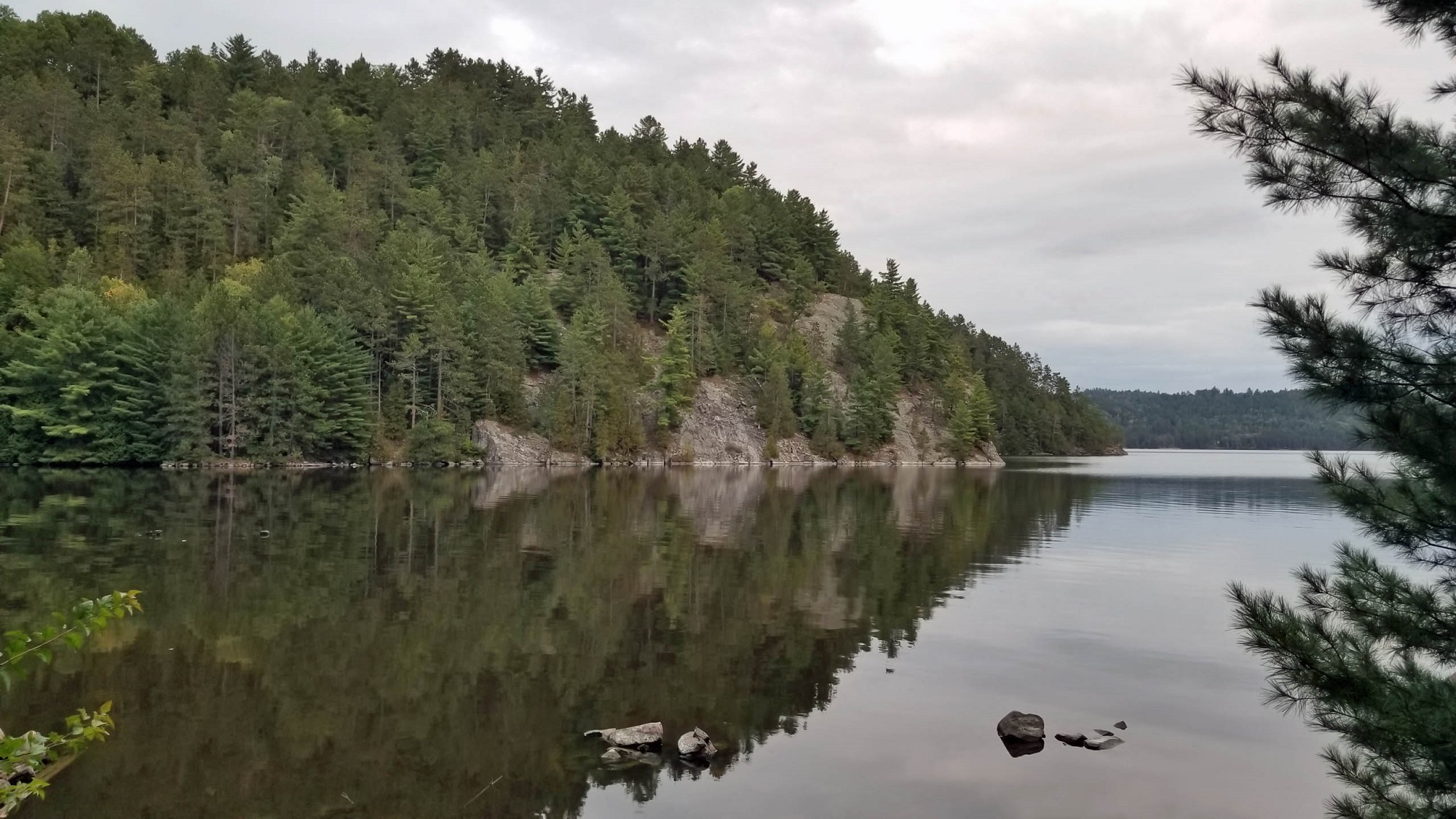
Parc national d’Opémican sits on the southeast side of Lake Temiskaming, a long mostly narrow lake which straddles the Ontario-Quebec border, just 1¼ hour drive from North Bay, Ontario. The park is a vast area of over 250 km2, divided into four areas (“sectors” in Sépaq lingo) which are near, but not connected, to each other.
Pointe-Opémican sector, which includes the campground and developed facilities, is by far the smallest of the sectors yet large enough area, and with enough to do and see, that one could easily spend their entire visit there. In addition to scenic trails, there are restored buildings and displays from the logging era.
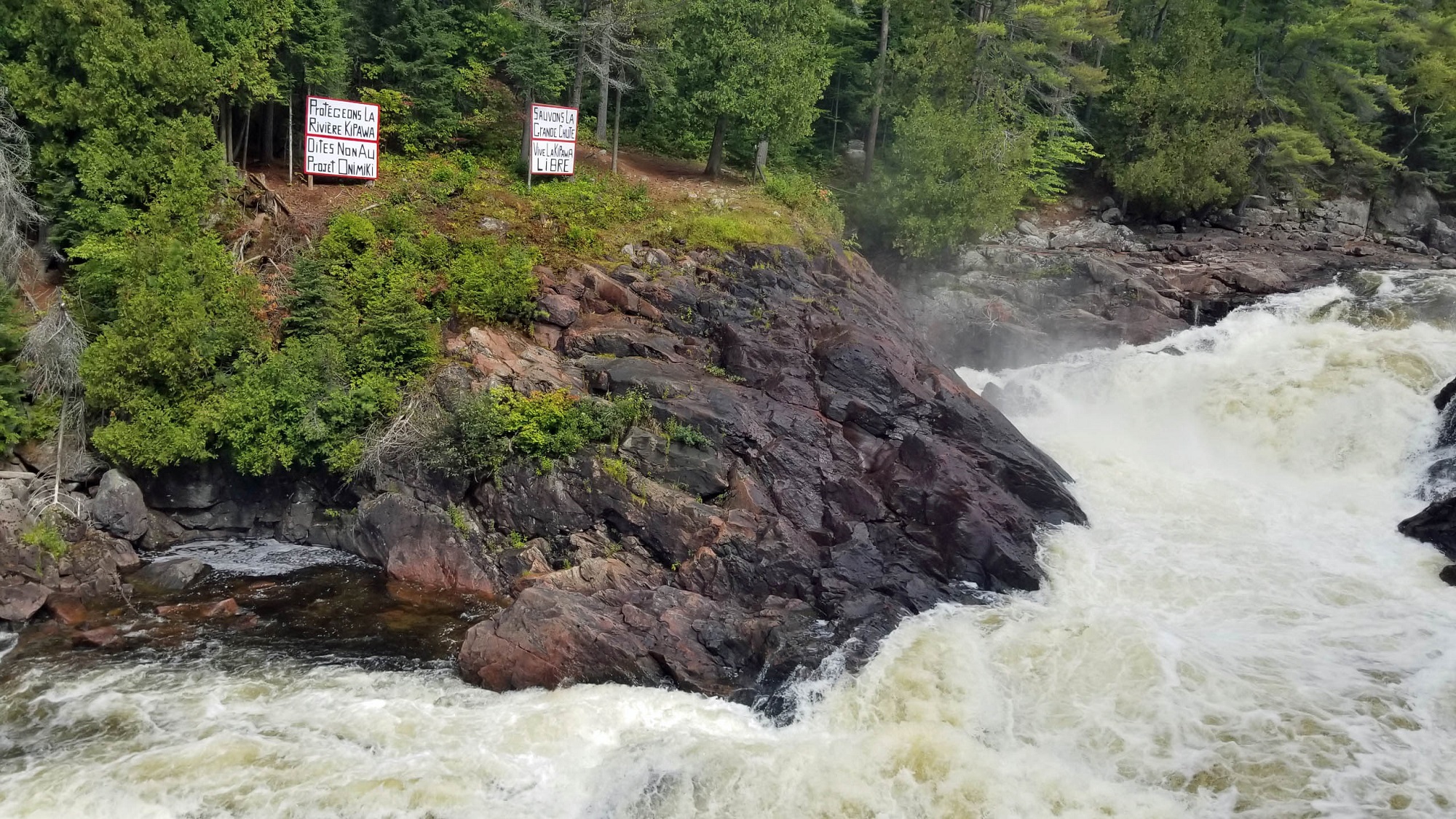
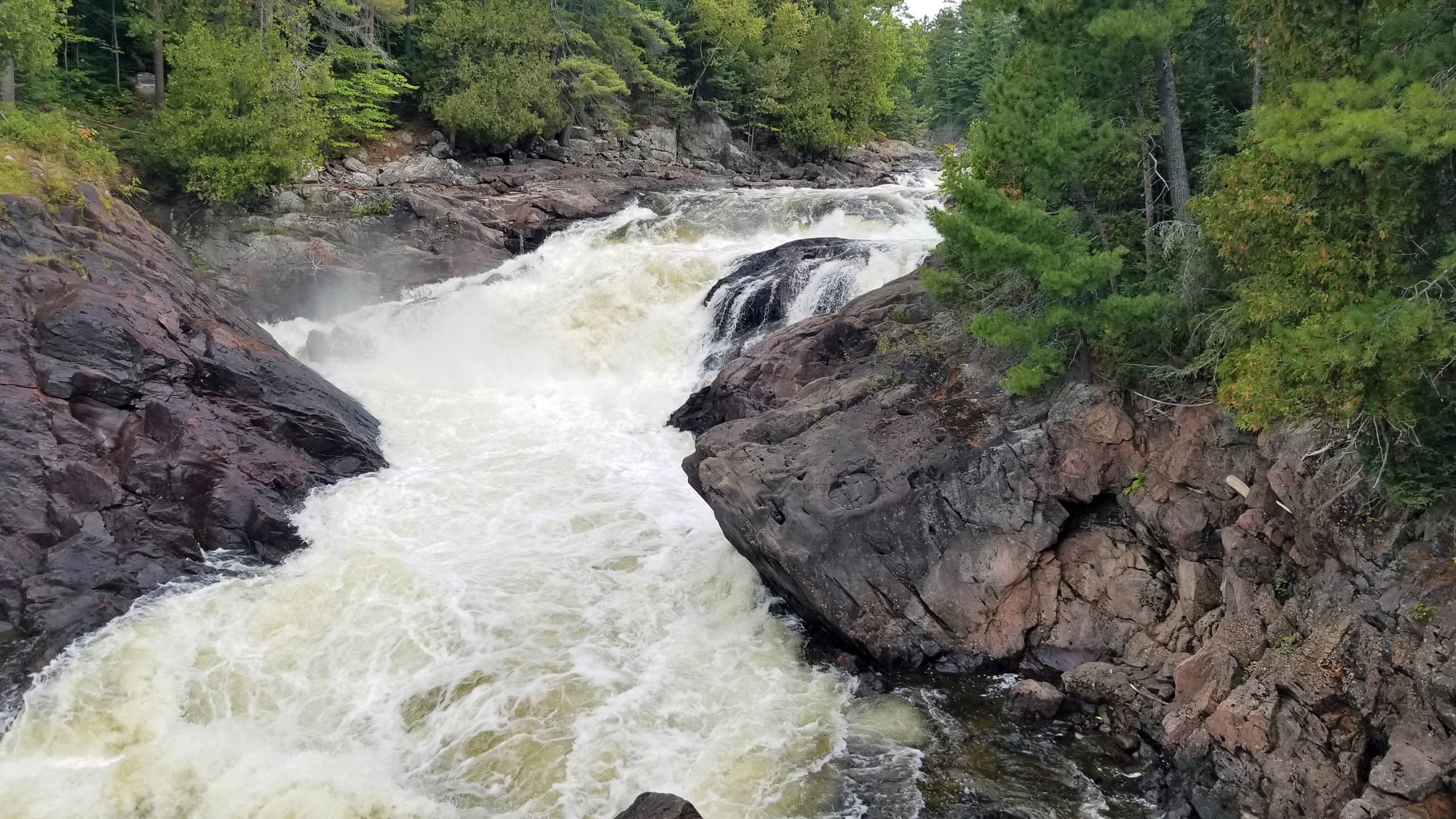
But, trust me on this, you will want to drive 20 minutes north from Pointe-Opémican to the Rivière Kipawa sector to see the mighty falls and rapids of the Kipawa River. Featured in several Hollywood movies, and on the 2017 Canadian 10 Dollar bill, they are famous and highly scenic, with breathtaking views accessible from platforms that extend right out over the rushing river.
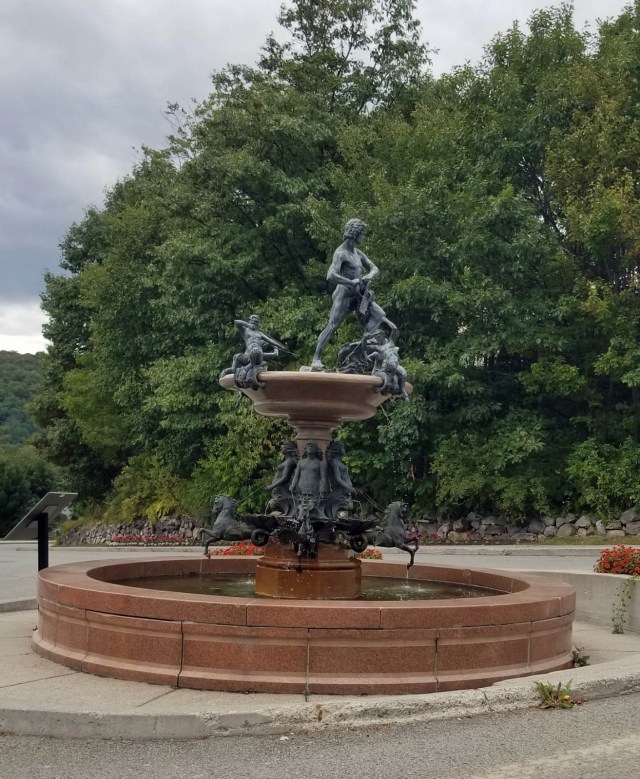
A half-hour south of the park is the town of Temiscaming, along the way to/from an unassuming two-lane inter-provincial bridge over the headwaters of the Ottawa River. Maybe I am idealizing the French European influence, but I don’t know I’ve ever passed through a little rural town elsewhere which has a Venetian fountain. A small but charming town, with friendly people and nothing seeming to be in any big rush. Also to be found are some shops for provisions.

Camping Experience
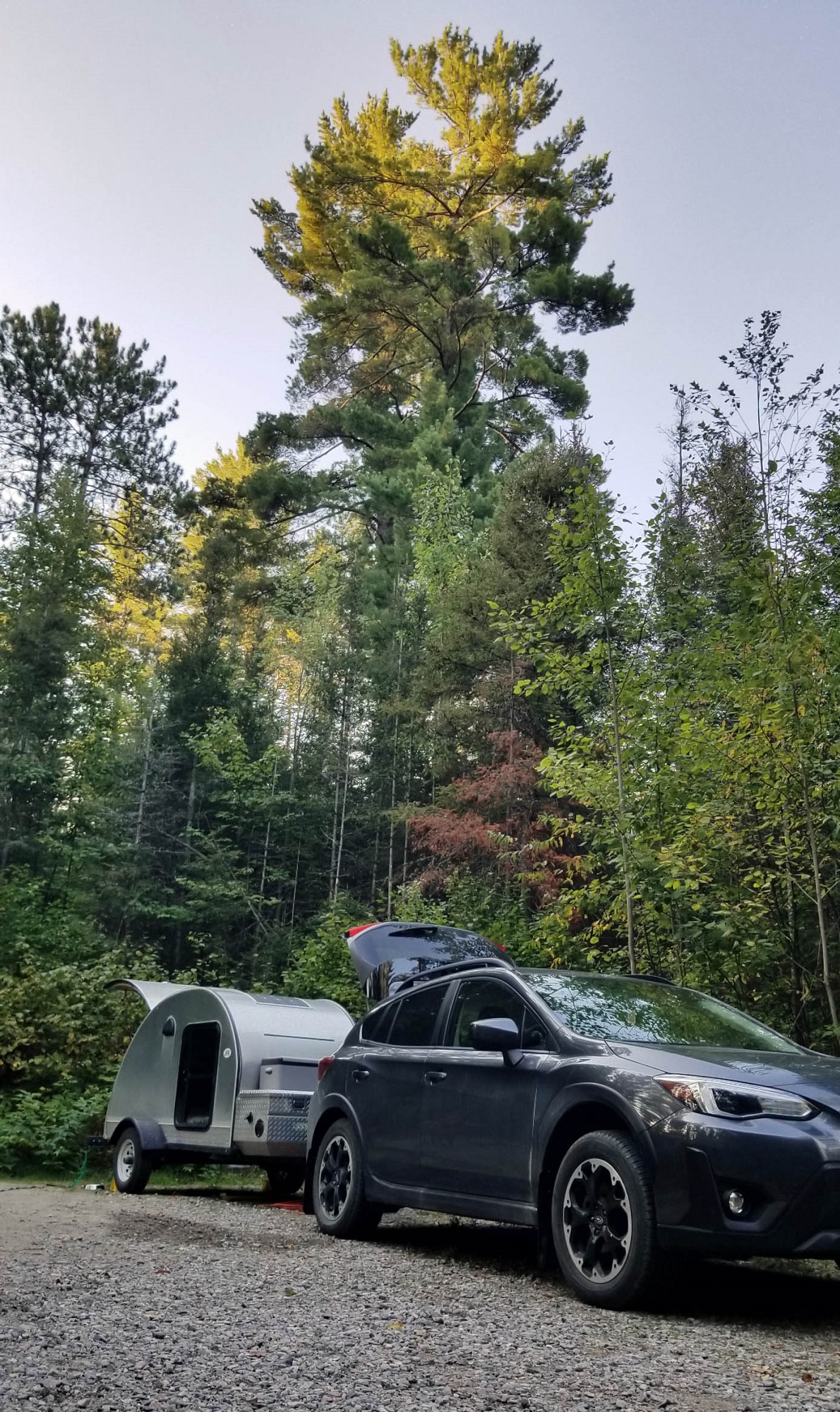
Well, the summary report on camp sites and facilities is this: excellent, top-notch, all-around. It is worth noting that this is the newest Sépaq Parc nationale, created in 2018. There are just 60 sites, arranged in two loops, within mixed forest. They are all well-spaced and most are larger-than-average and with good privacy.
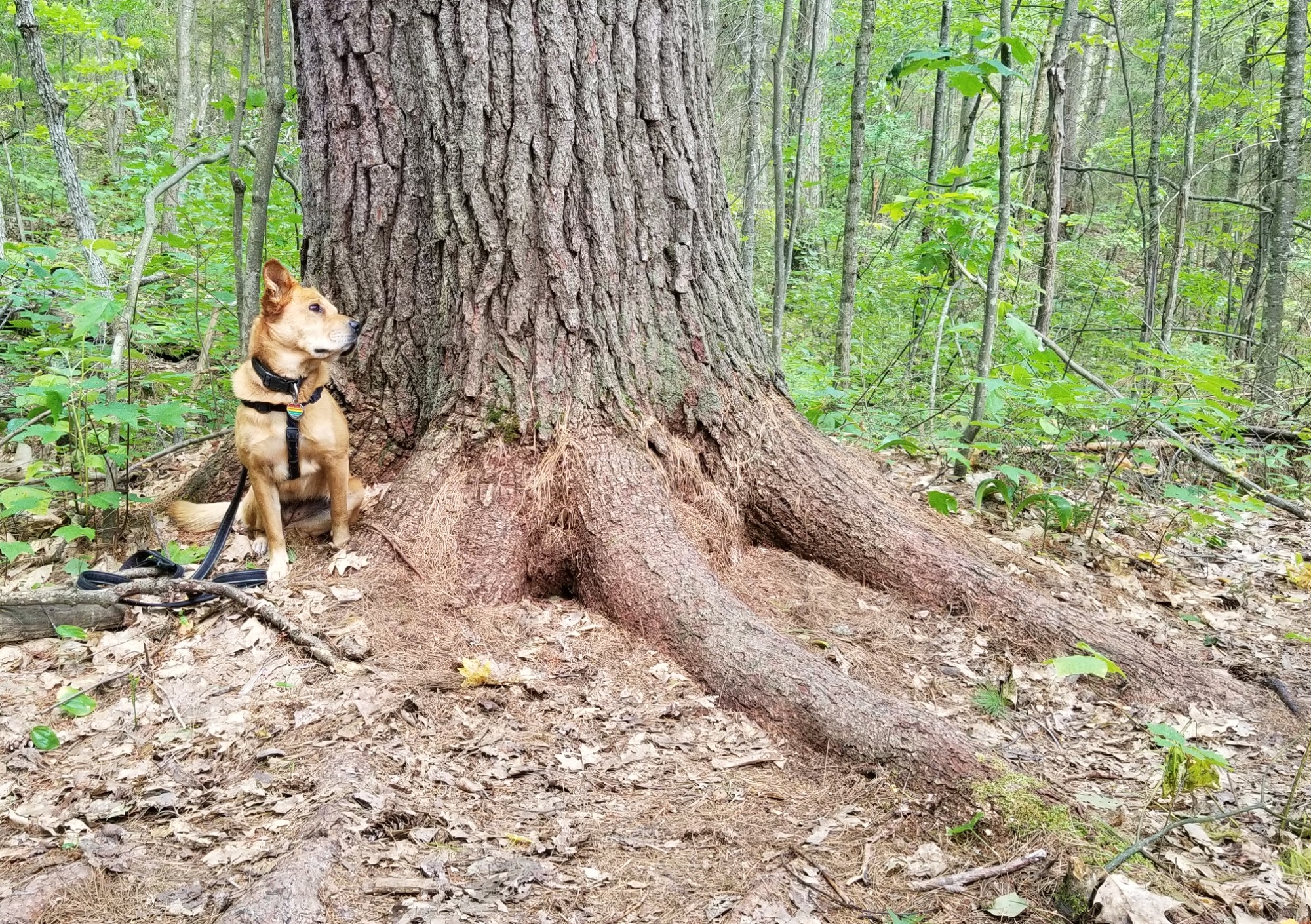
Some sites feature exposed rock-face, which gives a cozy feel to it, while some others like mine had a massive old-growth pine right in the “back yard”. I loved gazing up at that giant during morning coffee as the sun gradually lit up its canopy.
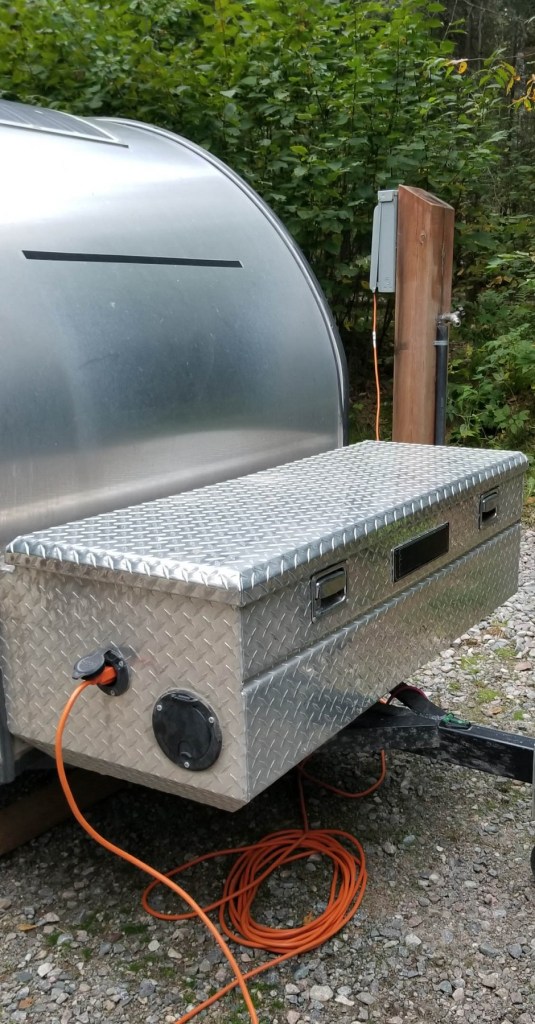
Some sites had long laneways, some short, but pretty much all of them looked as if they would be readily navigable for a teardrop trailer, and appeared to have level pads.
All camp sites are serviced, and here’s a real treat: not just electricity but also a water tap right at the site! There’s a decent firepit frame with a functional grill. Further to my mention of park rules, the picnic table at each site has a durable reminder placard of the main ones affixed to it.
I’ll Be Back!
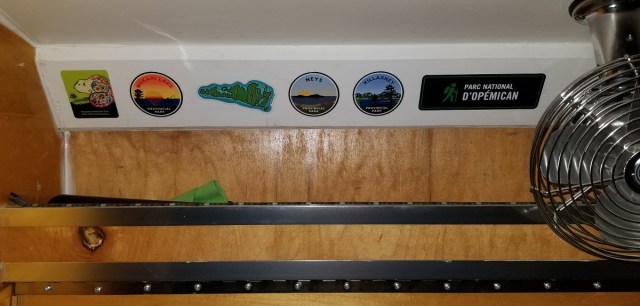
I’m really glad I decided to hop over the river and try out camping in Quebec! Loved the place, the space, the people, and the high-quality campground. It was an enjoyable and worthwhile experience overall, and has inspired me to return to explore other Sépaq parcs nationaux.
 Teardrop Trailer Travels