Cape Croker Park, a half-hour northeast of Wiarton, offers the splendour of the Bruce Peninsula without the intensity of the crowds who head to Tobermory, Lions Head, and points in-between. As a bonus, this Indigenous-run campground on the unceded lands of the Chippewas of Nawash has its own unique vibe—and technically is “outside of Canada”!
Outside of Canada?
This spring 2026 was my third visit teardrop trailer camping at Cape Croker, but a useful learning moment came while reading the park tabloid: “unceded means that the Chippewas of Nawash First Nation never ceded or legally signed away Neyaashiinigmiing to the British Crown or Canada. The lands that were ‘ceded’ became part of Canada.”
Wow, interesting heh! I sure do feel like I am somewhere special, at Cape Croker, and somewhere that seems much further away than it really is, and perhaps part of the reason why. But another part is the Indigenous influence and cultural nuances, some apparent and some subtle, throughout the park. You are certain to learn some Anishinaabek words from bilingual signage while you’re there.
Almost 6 Decades in Operation
Neyaashiinigmiing is the Chippewas’ name for Cape Croker, an Anishinaabek word meaning point of land surrounded on three sides by water. The 500+ acre campground park, in the southwest corner of the Cape Croker land mass abutting the boundary with the rest of Canada, opened in 1967. Near the gatehouse, one can still see old signage “Cape Croker Indian Park”—which sounds uncomfortably dated yet is from a time more recent than you might guess.
I have written about this park in a previous blog post after making my first teardrop camper visit, and there is loads of information on the capecrokerpark.ca site. So I won’t repeat what’s easily found in those sources but will say that this place is truly a hidden gem, and each time I return it is shining even brighter.
On this visit, it was obvious that investment had been made in campsite refurbishment and renewal as well as trail upgrades. There is long boardwalk (which is also part of the Bruce Trail route) through the wetlands at the head of Sydney Bay which includes covered structures to sit and observe and learn. There is also a vitalized Interpretive Centre, and new Anishinaabe Cultural Experiences programming.
Campsites
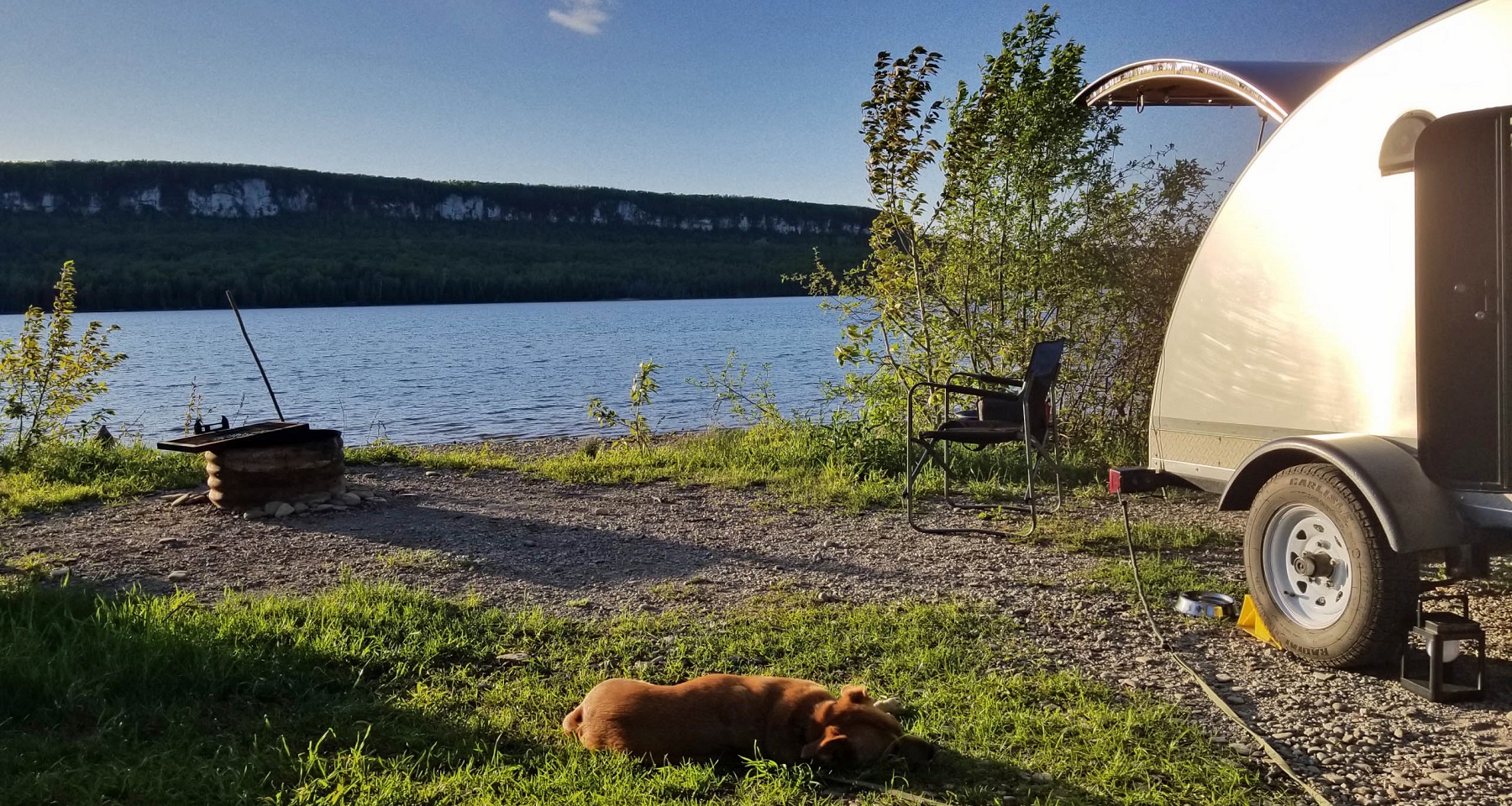
Cape Croker has a wide variety of campsites, electrical and unserviced, both in the forest and waterview/waterfront. On my first two visits, I stayed in the “Rough” camping area, on the north side of Sydney Bay. This cluster of campsites is furthest from the main area, feels nicely isolated for those like me who enjoy such things, and includes several sites right on the shore. (For photos see previous blog on Cape Croker).
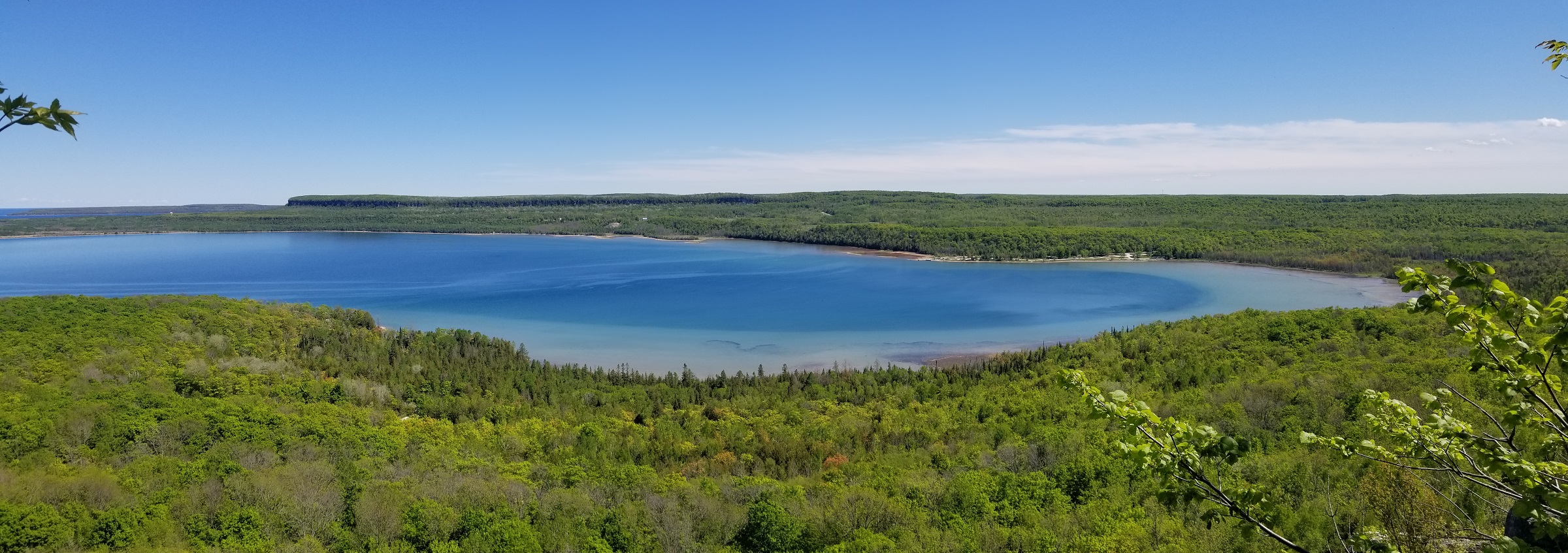
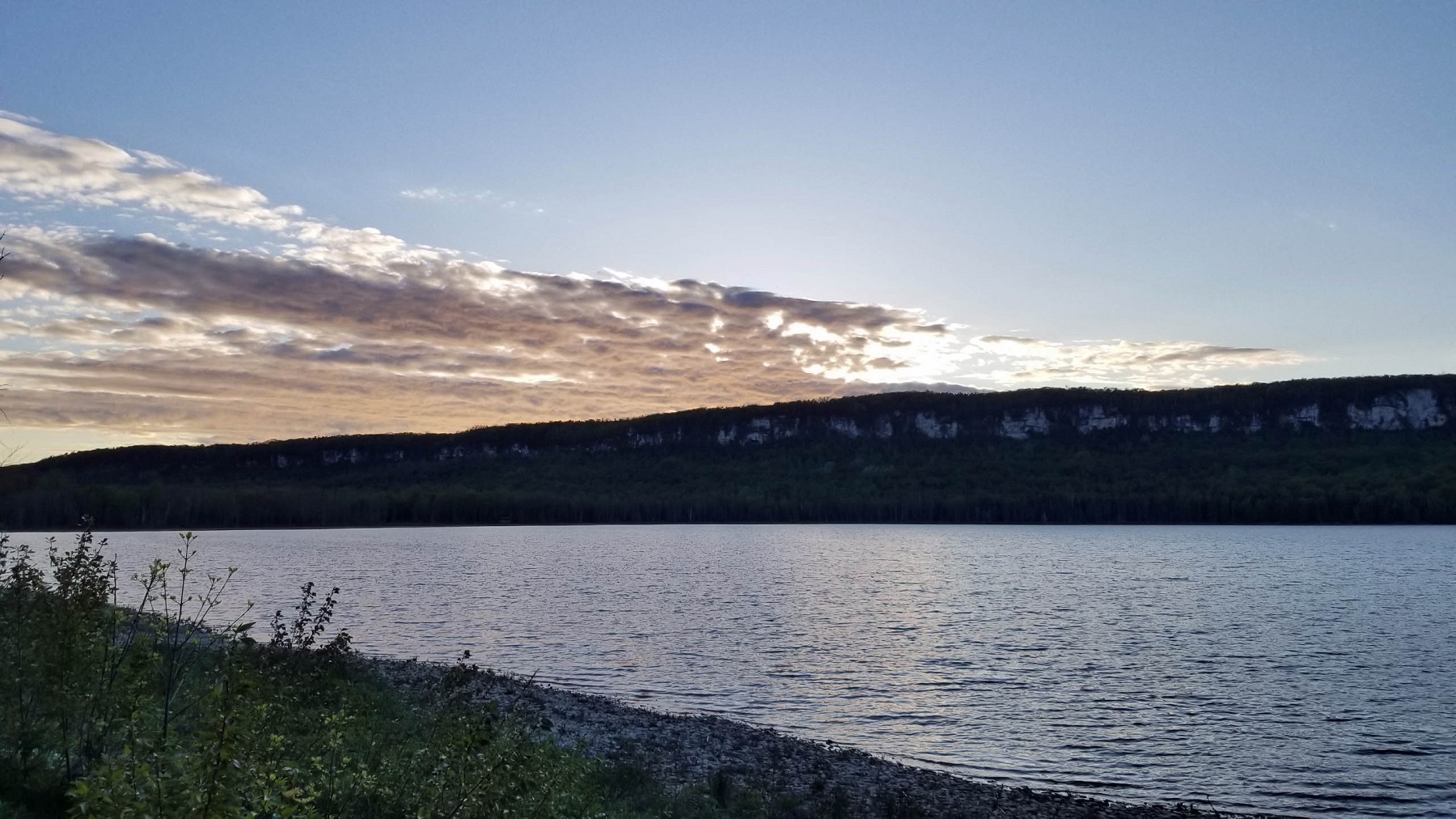
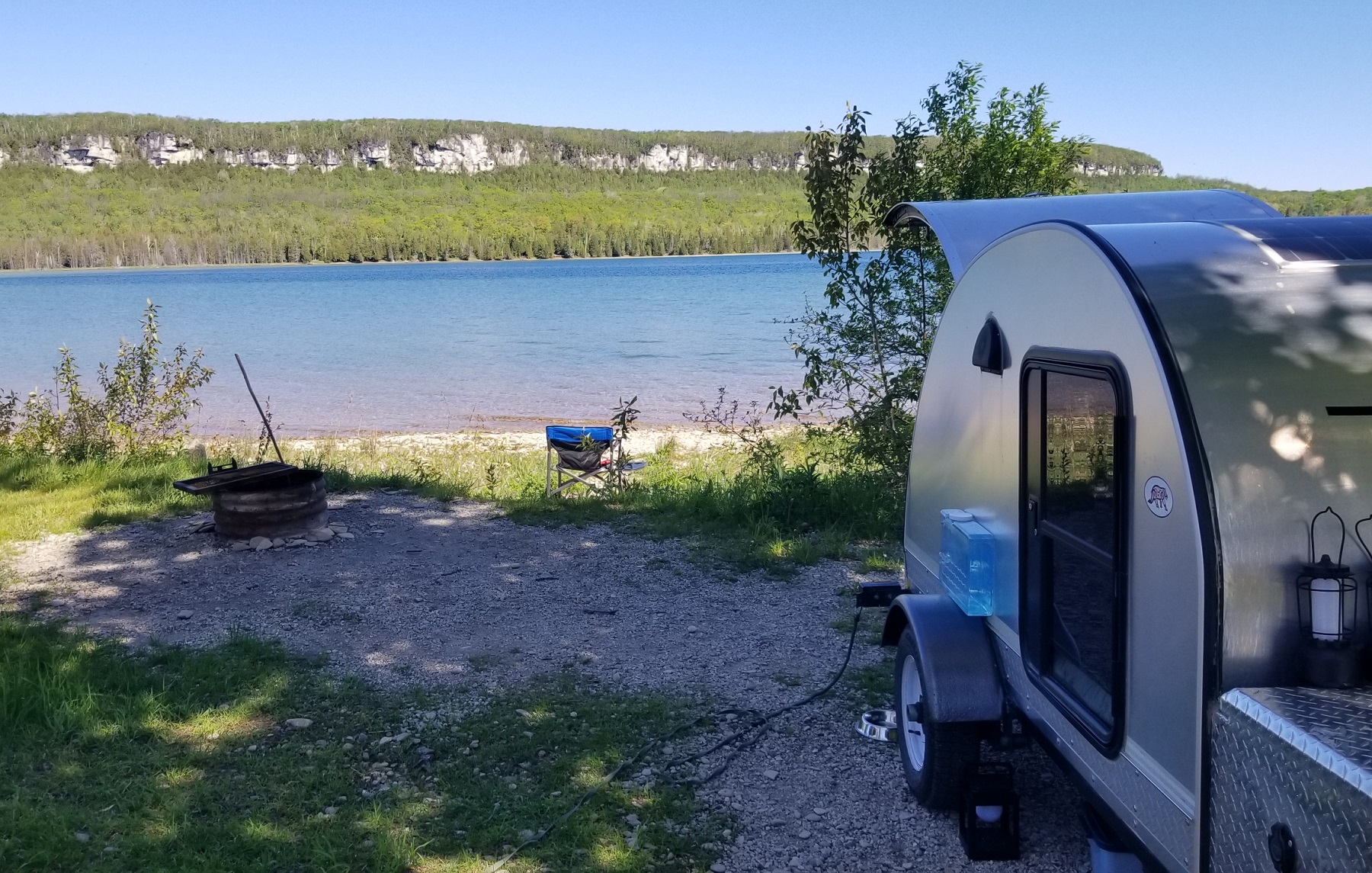
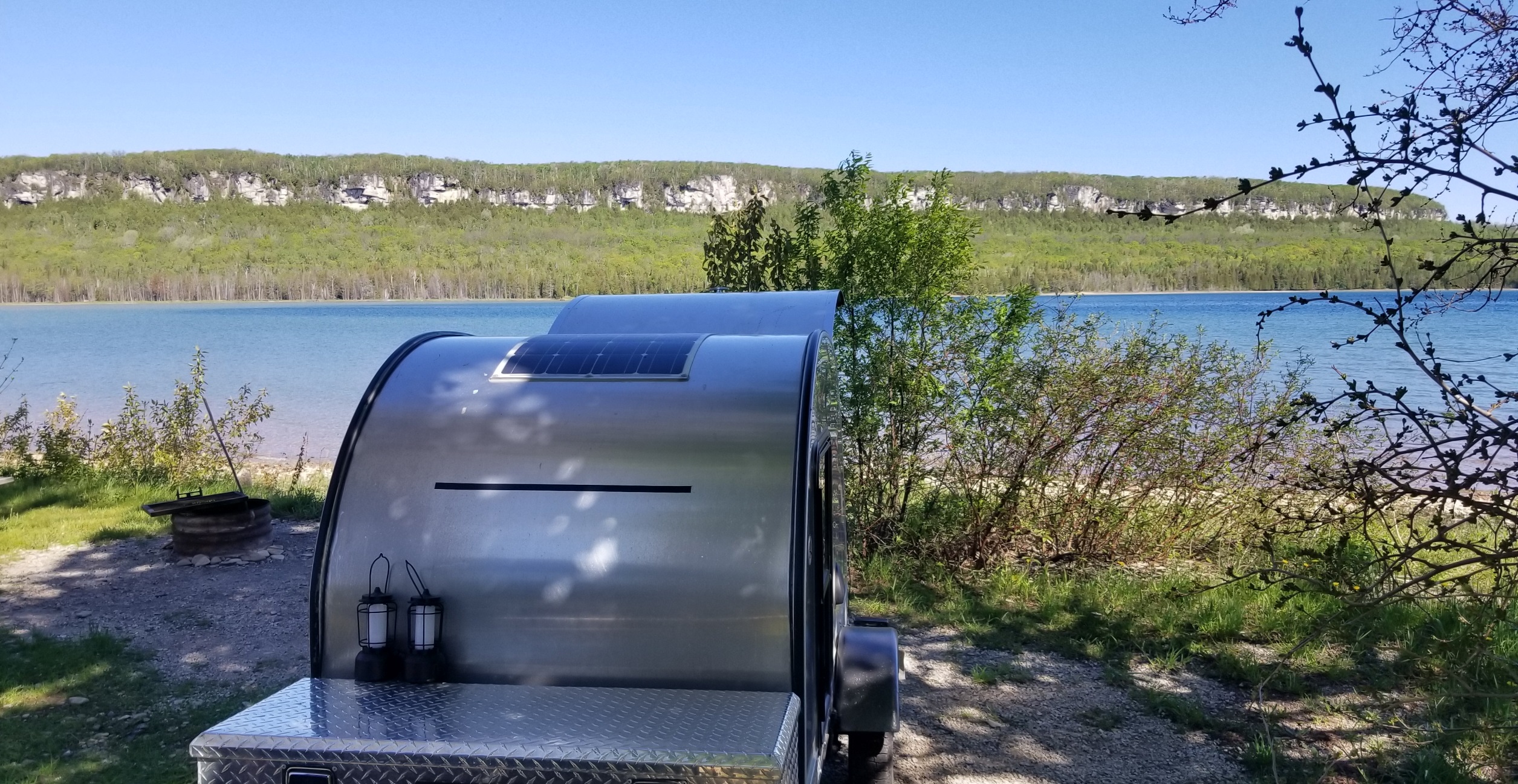
This visit I decided to try the “Beach” camping area. Not as much privacy but, wowee, some primo waterfront sites with an awesome view of the escarpment bluffs across the bay, as well as direct water access.
Hiking
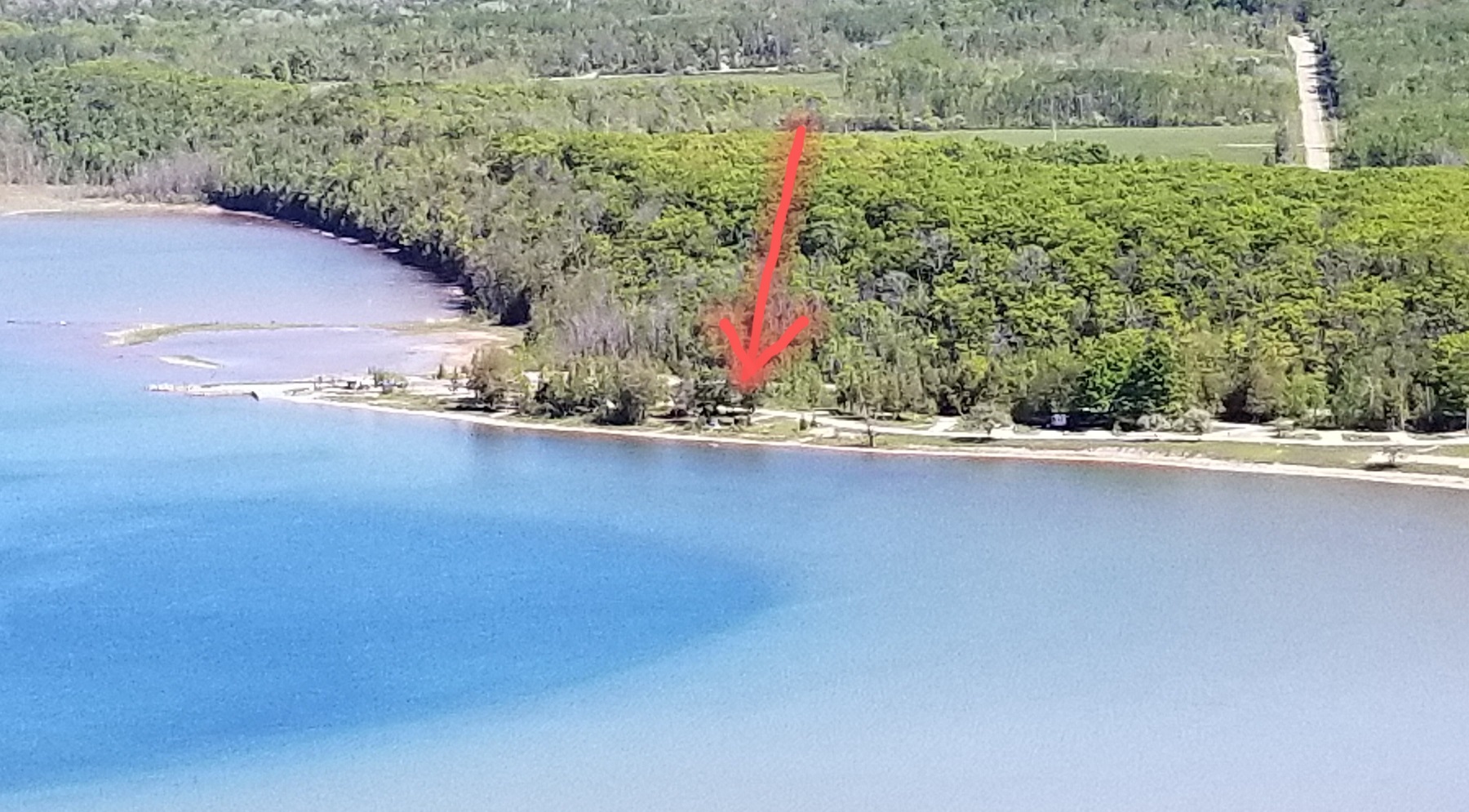
There are several well-marked hiking trails at Cape Croker Park. Some are easy, mainly flat and should be accessible to most people. But the biggest adventure, perhaps not one for everyone, is the “Ladder Trail”, aka Kwaandwaagan Miikaans. There’s no longer a ladder, but there are steps which require some courage and some work along this trail which ascends the escarpment and then travels along the bluffs with several panoramic viewpoints. It’s about 4km out and back, or you can make it into a bigger adventure by doing a loop right around the Sydney Bay Bluff (make sure you have a Bruce Trail map or App), with viewpoints to the Lions Head peninsula to the north.
Random Insider Factoids
As your reward for reading all the way through, here are some useful (and money-saving) tips for your visit to Cape Croker Park:
- If you are a Bruce Trail Conservancy member, you get 10% off camping at Cape Croker. Book online or by phone as usual, then when you get to the park show your Bruce Trail card and they adjust the rate, which generates a refund through Campspot.
- As on all First Nations Reserves, HST is not charged on goods or services, which includes camping.
- Speaking of tax-free, there is Pedoniquotte Gas station on Sydney Bay Road, about 2.5km north of the Cape Croker Park Road.
- The gatehouse store stocks camping essentials, ice cream & treats, native crafts, and maple syrup (aka ziiwaagmide) harvested and produced on park lands! You can see the “sugar shack”, though it is more a maple syrup palace than shack, just before you get to the “Rough” camping area on the north side of Sydney Bay.
- Indigenous Educational Resources on capecroker.ca for kids of all ages — learn history, culture and Anishinaabek words!
An Honoured Favourite
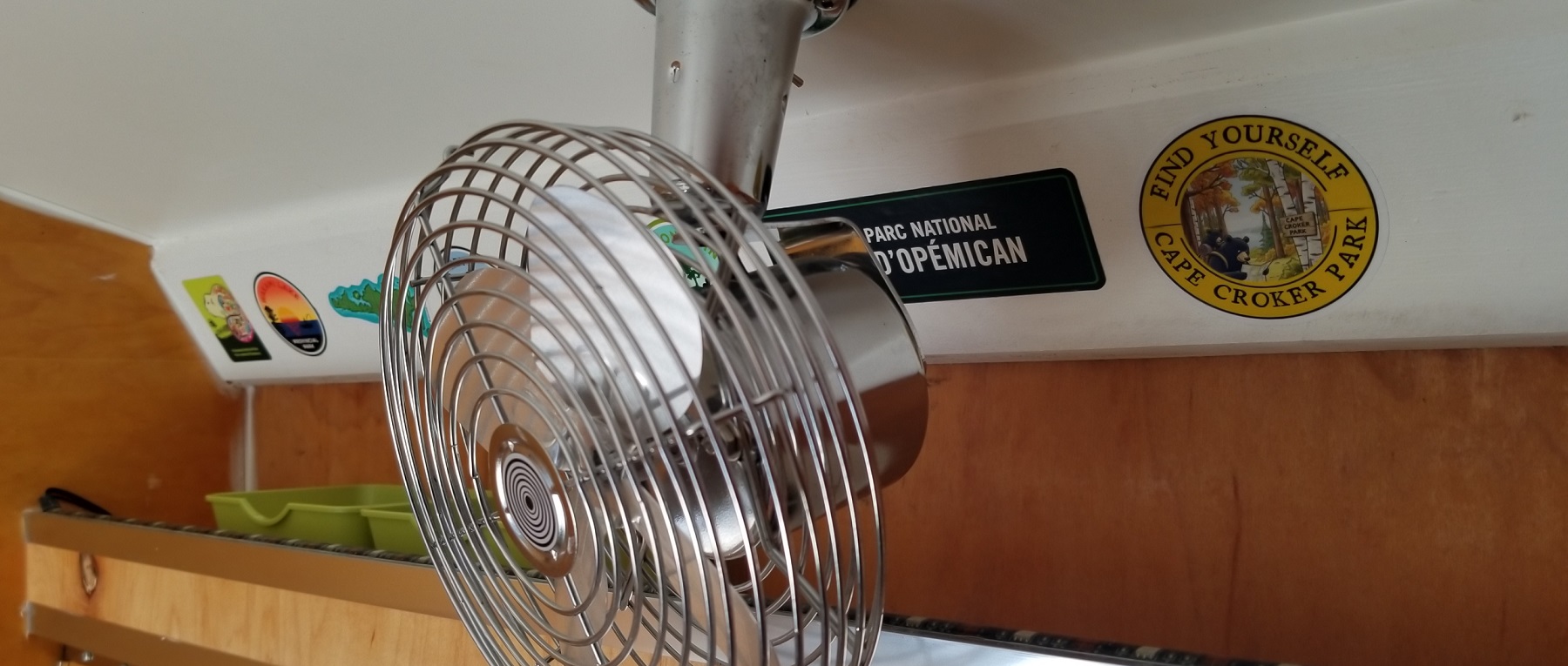
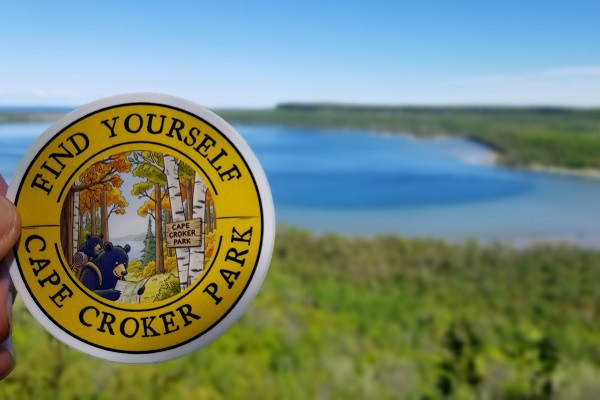
You can also buy Cape Croker swag at the store, including the ubiquitous stickers that many campers collect. Personally, I don’t plaster my teardrop trailer with stickers from everywhere I’ve been… not that there’s anything at all wrong with doing that. I only get a sticker if it’s going on the “favourites” board in my teardrop sleeper cabin. And that is reserved for those very special places I would return again as a destination in itself.